Beijing’s Campaign Against Shen Yun Tests Resolve of the West to Defend Artistic Freedom
April 07, 2026
Shen Yun Performing Arts is deeply concerned that a new and dangerous level has been reached in the Chinese regime’s crusade to silence voices in the West.
For nearly two years, our company has faced an intensifying campaign of intimidation intended to disrupt our performances and stifle our message. This has included more than 150 hoax bomb threats, mass shooting threats, and other violent threats directed at Shen Yun, the theaters where we perform, the schools our student performers attend, our families, and public officials who support our work.
While the safety of our audiences and performers remains our highest priority, law enforcement investigations have consistently determined these threats to be unfounded. They are not credible security risks but deliberate attempts to sow fear and pressure venues into canceling shows.
Investigations in multiple jurisdictions have linked these threats to actors operating from mainland China.
This past week, the pattern of threats resulted in the cancellation of scheduled performances for the first time in Shen Yun’s nearly two-decade history of touring to leading theaters worldwide. This represents a disturbing development in Beijing’s ability to impact our freedoms.
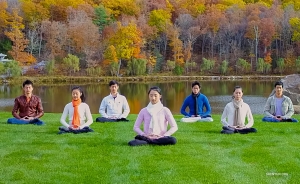
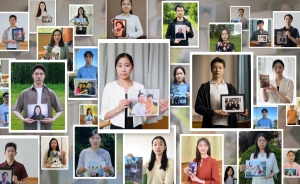
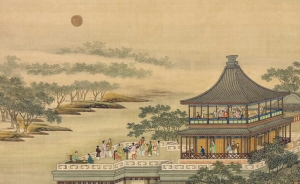
The Chinese Communist Party (CCP) resorts to such tactics because Shen Yun presents an authentic portrayal of China’s traditional culture that celebrates the spiritual depth and moral values of a civilization thousands of years old—a heritage that existed long before the CCP seized power and sought to eradicate in order to impose Marxism. Our performances also depict the ongoing persecution of Falun Gong, a peaceful spiritual practice rooted in Buddhist traditions. For more than 25 years, its practitioners in China have endured mass detention, torture, deaths in custody, and forced organ harvesting, as documented by international human rights investigators.
By sharing these stories with audiences around the world, Shen Yun gives voice to truths the CCP seeks to erase. The threats against us are part of a broader effort by the CCP to suppress information.
What is at stake extends far beyond any single run of performances. These incidents are a litmus test of whether free societies will allow authoritarian intimidation to determine what art can be presented and what stories can be told.
If threats of violence succeed in disrupting artistic expression, they risk setting a dangerous precedent—one in which hostile foreign regimes can effectively veto cultural works in democratic nations. Censorship rarely begins with outright bans; it often starts with pressure that raises the cost of free expression until fear prevails.
This moment calls for clarity and resolve. Free nations must reaffirm that violence and threats will never dictate what art may be performed or what stories may be shared.
We are profoundly grateful to theaters around the world that have stood firm against these threats. Working closely with local law enforcement, they have ensured our performances could proceed safely and have refused to let intimidation undermine their support for Shen Yun. We also extend our heartfelt thanks to our patrons, who have shown remarkable solidarity—sometimes waiting in the cold outside theaters while law enforcement conducted sweeps following bomb threats—and who have continued to offer enthusiastic support and countless words of encouragement to our artists.
We urge governments and law enforcement authorities to continue their investigations and hold those responsible accountable. We encourage cultural institutions to rely on the expertise of security professionals and, when threats are determined to be unfounded, to stand firm against attempts to silence artistic expression through fear.
Ultimately, the question is not whether intimidation will occur, but whether it will succeed. The answer must be clear: fear will never determine the limits of what voices are heard in the free world. Standing firm today ensures that the stage remains a place for authentic artistic expression, not one where coercion sets the boundaries.